Guide to IT Asset Disposition
ITAD stands for IT asset disposition – the process of disposing of unwanted IT equipment in a secure and sustainable way.
A structured ITAD program covers everything from collection and asset tracking through to secure data destruction, refurbishment, reuse, and responsible recycling of IT assets. For any organisation with redundant hardware, ITAD ensures that sensitive data is wiped, compliance obligations are met, and electronic equipment does not end up in landfill.
The demand for ITAD continues to grow as UK businesses manage larger IT estates and face stricter data protection and environmental regulation. Whether you are decommissioning a data centre, refreshing office hardware, or retiring a fleet of laptops, choosing the right ITAD partner determines whether your equipment is handled securely, compliantly, and in line with your sustainability goals. This guide to IT asset disposition covers what ITAD involves, why ITAD is important, what to look for in an ITAD provider, and how to choose an ITAD partner that fits your needs.
asset disposition
data security
compliance
sustainability
The ITAD Process
What Does the ITAD Asset Disposition Process Involve?
The ITAD process follows a structured disposition process from the moment equipment leaves your premises to its final destination. A responsible ITAD provider will manage each stage:
1. Collection and Asset Tracking
Equipment is collected from your site with a full chain of custody. Every item is logged by make, model, serial number, and asset tag. ITAD providers follow strict asset management procedures to ensure nothing is lost or unaccounted for throughout the disposal process.
2. Secure Data Destruction
All data-bearing devices undergo secure data destruction methods including data erasure (software-based wiping to NIST 800-88 standards) or physical destruction (shredding). Data sanitization ensures that data is wiped beyond recovery, eliminating the risk of data breaches and protecting sensitive information. Certificates are issued for every device.
3. Refurbishment, Reuse and Asset Recovery
Equipment in good condition is assessed for refurbishment and remarketing. ITAD companies may resell working devices through wholesale or retail channels, with the recovered value returned to the client. This reuse and recycling approach supports the circular economy and reduces electronic waste.
4. Responsible Recycling and Asset Recycling
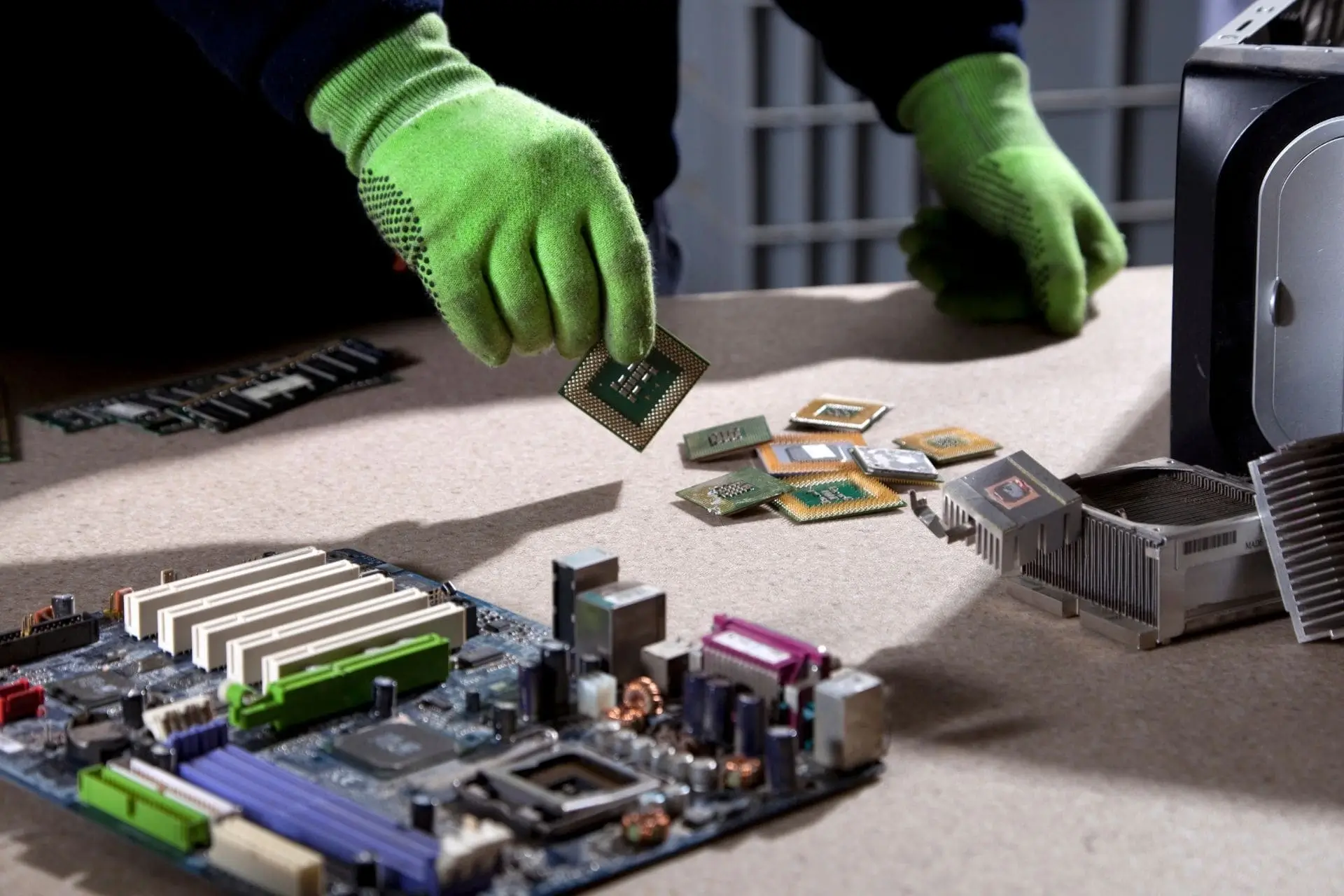
Devices that cannot be reused are dismantled and the materials sent for electronic waste recycling through certified partners. Metals, plastics, and components are separated for e-waste recycling. We recycle servers, hard drives, networking gear, and all other hardware responsibly. Responsible disposition of IT assets ensures that waste electrical and electronic equipment is processed in line with the WEEE Directive and never sent to landfill. This minimises environmental impact.
5. Reporting and Compliance
You receive full documentation covering every asset processed, the destruction method used, and its final destination. This reporting supports compliance with UK GDPR, the Data Protection Act, and environmental legislation. Certified ITAD services provide the audit trail your organisation needs.
Why It Matters
Why Is ITAD Important?
Without a structured ITAD strategy, organisations face serious risks.
Improperly disposed equipment can lead to data breaches if sensitive data is recovered from devices that were not securely wiped. Regulators including the ICO can issue significant fines for failures in data protection. Disposing of electronic waste outside approved channels breaches WEEE regulations and can result in Environment Agency enforcement action.
Sustainability and the Circular Economy
IT asset disposition also plays a key role in sustainability. ITAD plays an equally important part in reducing environmental harm. The disposal of electronic equipment generates millions of tonnes of e-waste globally each year. A sustainable approach prioritises reuse and refurbishment before recycling, keeping equipment in circulation for longer and reducing the need for raw material extraction. For organisations with ESG commitments, a responsible program reduces carbon impact and supports circular economy principles. Providers that operate responsibly help companies to dispose of equipment in a safe and environmentally sound way.
Choosing the Right Partner
How to Choose an ITAD Partner and What to Look for in an ITAD Provider
Not all ITAD vendors offer the same level of service delivery. When choosing the right ITAD partner for your organisation, consider these factors:
Certifications and Accreditations
Look for ITAD providers with ISO 27001 (information security), ISO 14001 (environmental management), and ADISA certification. These industry standards demonstrate that the provider has been independently audited. Certified IT asset disposal gives you confidence that your ITAD needs are handled properly.
Secure Data Destruction
Your ITAD partner must offer secure data destruction using approved methods. Ask how data is sanitised, what standards are followed, and whether certificates are issued per device. The best ITAD companies provide both data erasure for reuse routes and physical destruction for higher-assurance requirements.
Transparency and Reporting
A responsible ITAD provider will give you full visibility of what happens to your equipment. This includes asset-level reporting, destruction certificates, and environmental documentation. If an ITAD provider cannot tell you exactly where your assets end up, look elsewhere.
Environmental Practices
Sustainable IT asset disposition means prioritising reuse before recycling and maintaining a zero landfill policy. Ask about e-waste disposal routes, downstream partner audits, and how the provider supports your sustainability goals. The best solutions combine data security with environmentally responsible processing. Look for providers who recycle through accredited UK partners.
Flexibility and Scale
Whether you need to dispose of 50 laptops or decommission an entire data centre, your ITAD partner should scale to fit. Look for providers offering free nationwide collection, project-managed decommissions, and dedicated account management. Data center ITAD requires specialist handling that not all providers can deliver.
Best Practices
ITAD Service Best Practices – Reuse, Recycle and Asset Recovery
To get the most from your ITAD program, follow these best practices:
- ✓Build an ITAD strategy before equipment reaches end of life – planning ahead means you recover more value and avoid rushed decisions
- ✓Choose an ITAD partner based on certifications and track record, not just price
- ✓Ensure secure data destruction is verified with per-device certificates, not just a blanket statement
- ✓Track every asset from collection to final destination with full reporting
- ✓Review your ITAD provider annually to ensure their asset disposition practices still meet your compliance and sustainability requirements
The ITAD market continues to evolve as the asset disposition market responds to growing volumes of e-waste, tighter regulation, and increasing corporate focus on ESG. Organisations that invest in a structured ITAD approach protect themselves from data security risks, meet their compliance obligations, and contribute to a more sustainable approach to IT asset management.
Get Started
Learn What ITAD Means for Your Organisation
ITAD ensures that your organisation can dispose of IT assets securely, compliantly, and sustainably.
Whether you are exploring ITAD for the first time or reviewing your current asset disposition practices, the right ITAD partner makes the difference between risk and peace of mind.
Tech Disposal Limited provides certified asset disposition services and asset disposal services across the UK. We offer secure IT asset disposal with free nationwide collection, certified destruction, responsible recycling, and full reporting. We recycle, refurbish, and securely handle the disposal of IT assets from collection to certified completion.